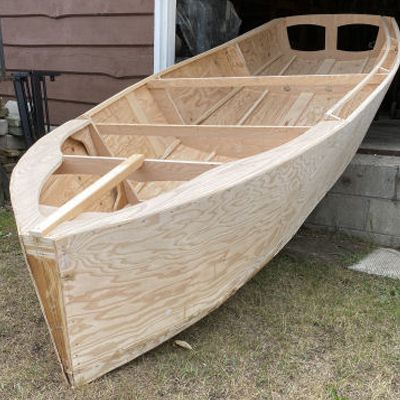
Aquí en Vectric HQ, siempre nos impresionan los proyectos que realizan nuestros usuarios. El proyecto del velero de Stan Kern fue uno de los que más nos llamó la atención en el foro de Vectric debido al impresionante tamaño y complejidad de la embarcación. Para el caso de estudio de este mes, nos pusimos en contacto con Stan y le preguntamos sobre su trayectoria y cómo se inició en el CNC…
Llevo en el negocio de la construcción y el diseño de muebles desde 1972 y siempre he dibujado mis propios planos. En 2008 compré la máquina CNC 4x8 con un router de 3,25 hp y luego le añadí yo mismo un cuarto eje para el torno Rockwell (indexador).
Mis intereses son la informática y la carpintería, la CNC lo combina todo, así que fue perfecto para mí.
Queríamos saber más sobre por qué decidió crear el barco…
Buscaba algo lo suficientemente grande como para usar y aprovechar los 4 tableros de dibujo que tengo, así que pensé en un barco, ya que tiene el tamaño adecuado y, como ya he hecho tres barcos antes, tengo experiencia en lo que ha funcionado bien en el pasado.
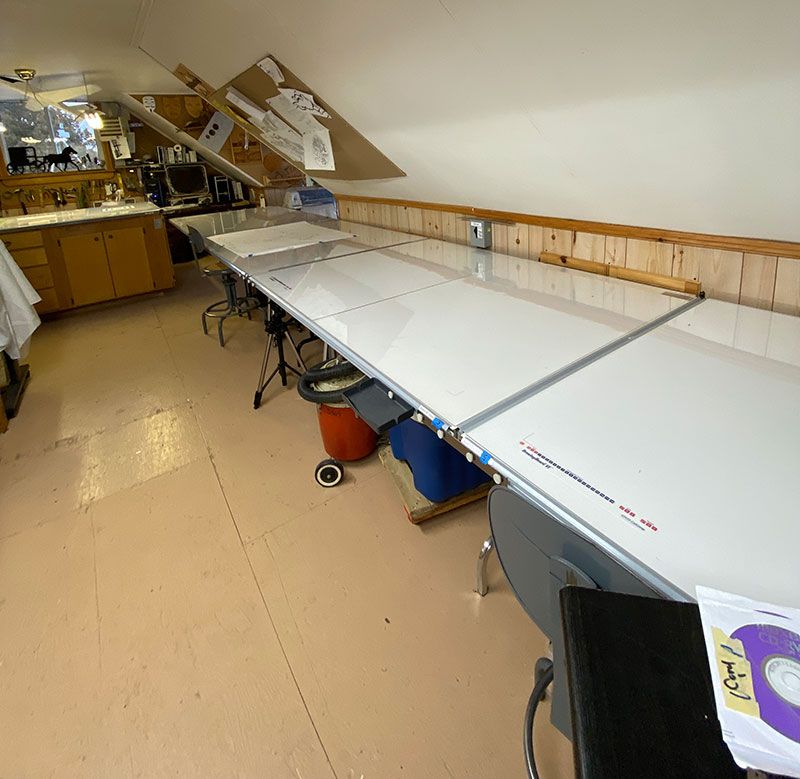
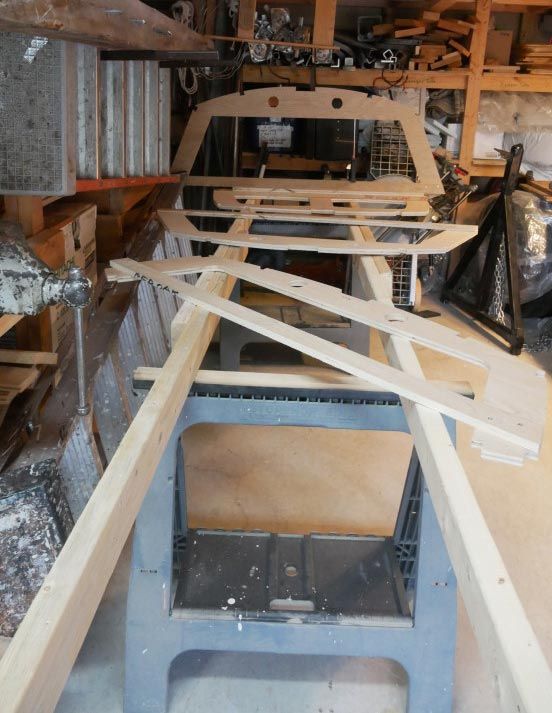
Después de tener la idea y reunir los materiales, Stan se puso a trabajar planificando y diseñando el proyecto…Para el diseño del barco, utilicé algunos planos en PDF de 1950 que tenía del barco que quería construir. Para digitalizar los planos, los imprimí a tamaño real y los calqué en tableros de dibujo Logic Group de John Walsh (4 de ellos llamados tableros jumbo). Esto me permitió generarlos como archivos *.dxf que luego pude importar al software Vectric para cortar en la CNC. En el software, anidé todas las distintas piezas a cortar para hacer el mejor uso del material.
Los materiales que utilicé para el proyecto fueron: madera contrachapada de roble, madera contrachapada de abeto, madera de tilo y abeto, todos de una fuente local y de inventario de existencias.
Stan luego pasó a hablar sobre el corte del proyecto…
No hago funcionar mi máquina CNC a máxima velocidad porque es mía y no quiero romperla por el simple hecho de hacerla funcionar a máxima velocidad. Normalmente corto mis proyectos lentamente a una velocidad de entre 70 y 80 pulgadas por minuto y a 19 000 rpm, lo cual me funciona bien. Suelo usar una fresa de carburo sólido de ¼ de pulgada fabricada en EE. UU. para cortar mis proyectos.Stan explicó por qué no aplicó ningún acabado al barco y si hubiera algo que hubiera hecho diferente…
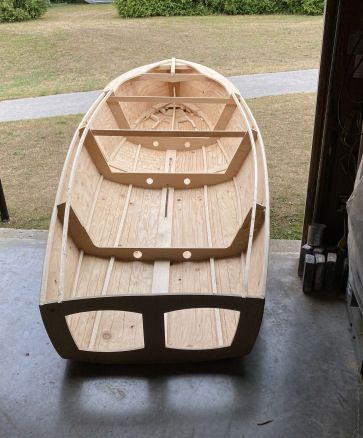
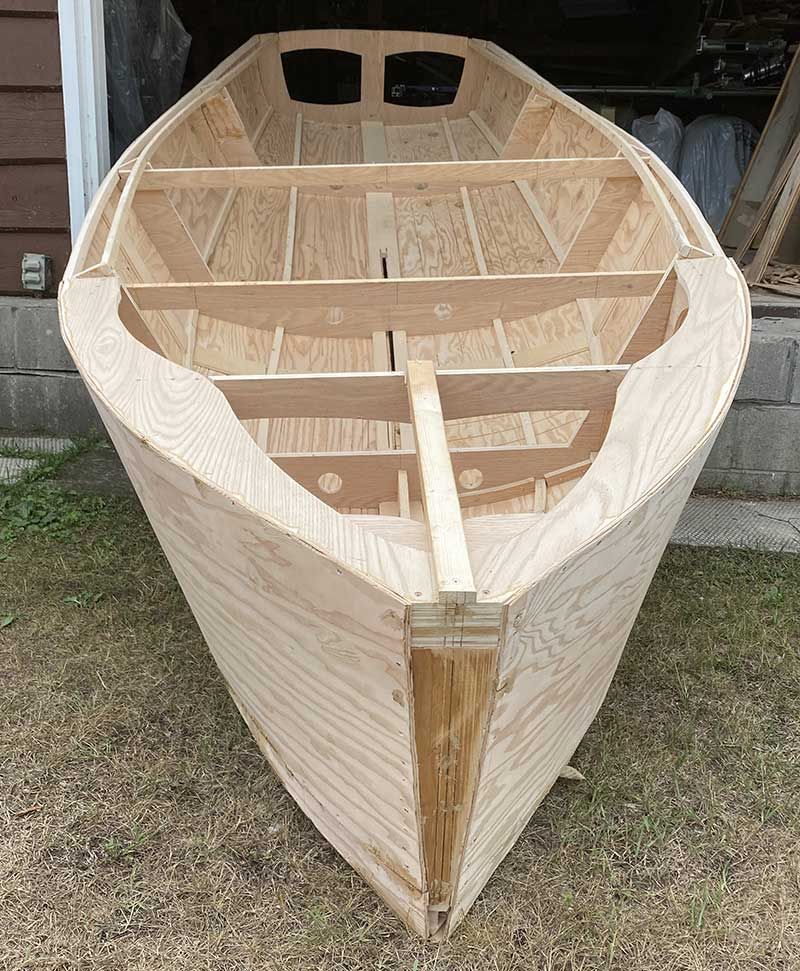
La idea principal del proyecto era mostrar el dibujo digitalizado y convertido a CAD (formato dxf) para crear una trayectoria de herramienta para cortar las piezas. Por eso llevé el proyecto al 75% para mostrar este proceso.
Mirando hacia atrás, no haría nada diferente. Este fue el cuarto barco que he dibujado, digitalizado los planos y cortado las piezas en la CNC y todo salió según lo planeado.
Luego le preguntamos a Stan si tenía algún consejo o sugerencia para otros fabricantes…
Si quieres calcar y digitalizar planos, usar la mesa de dibujo es una forma muy fácil y eficiente de generarlos como archivos *.dxf. Estos archivos se pueden editar y revisar fácilmente usando Aspire.
Aspire me ha resultado muy útil para mi trabajo, que incluye corte por plasma, corte de gráficos de vinilo, corte por láser de CO2 y el uso de la fresadora CNC. Aspire me evita tener que aprender muchos programas para diferentes máquinas y tareas.El arduo trabajo de Stan claramente ha dado sus frutos y se ve en este proyecto y, con suerte, en muchos más por venir. Antes de despedirnos, le preguntamos a Stan qué planes tenía para el futuro…
También quería compartir un caballo de madera de tamaño natural de 10.5 manos de altura que construí, dibujé y corté usando un proceso similar al del barco. La llamé "Penetangore", ¡ahora está en una pequeña granja!
En cuanto a mi próximo proyecto, estoy considerando un bote de remos europeo si puedo encontrar algunos buenos planos o diagramas.
Queríamos agradecer enormemente a Stan por tomarse el tiempo para hablar con nosotros sobre su proyecto para que pudiéramos inspirar a nuestra comunidad a intentar algo nuevo. Si tienes una historia que te gustaría que publicáramos, ponte en contacto con nosotros, simplemente envía un correo electrónico a online@vectric.com. Nos encantaría saber de ti.

Vectric Ltd
Precision House
2 Arden Road
Alcester
B49 6HN
Registrado en Inglaterra Número 05382596
Número de IVA GB115123072
Política de privacidad |
Política de cookies |
Términos y condiciones



